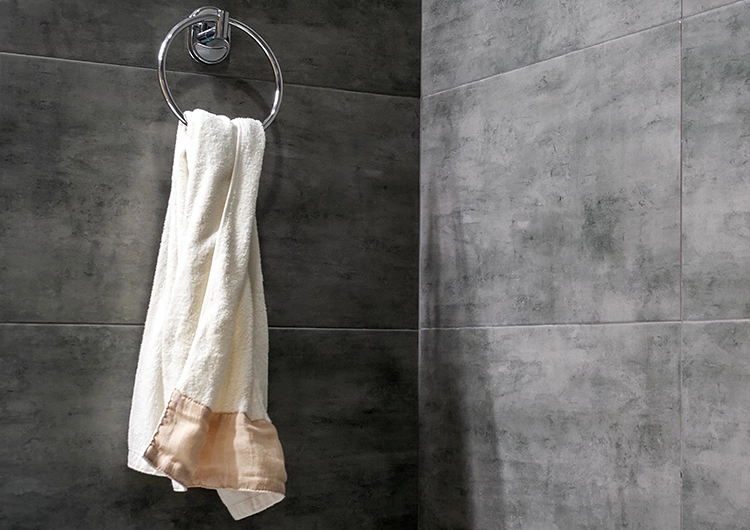
Towel rails

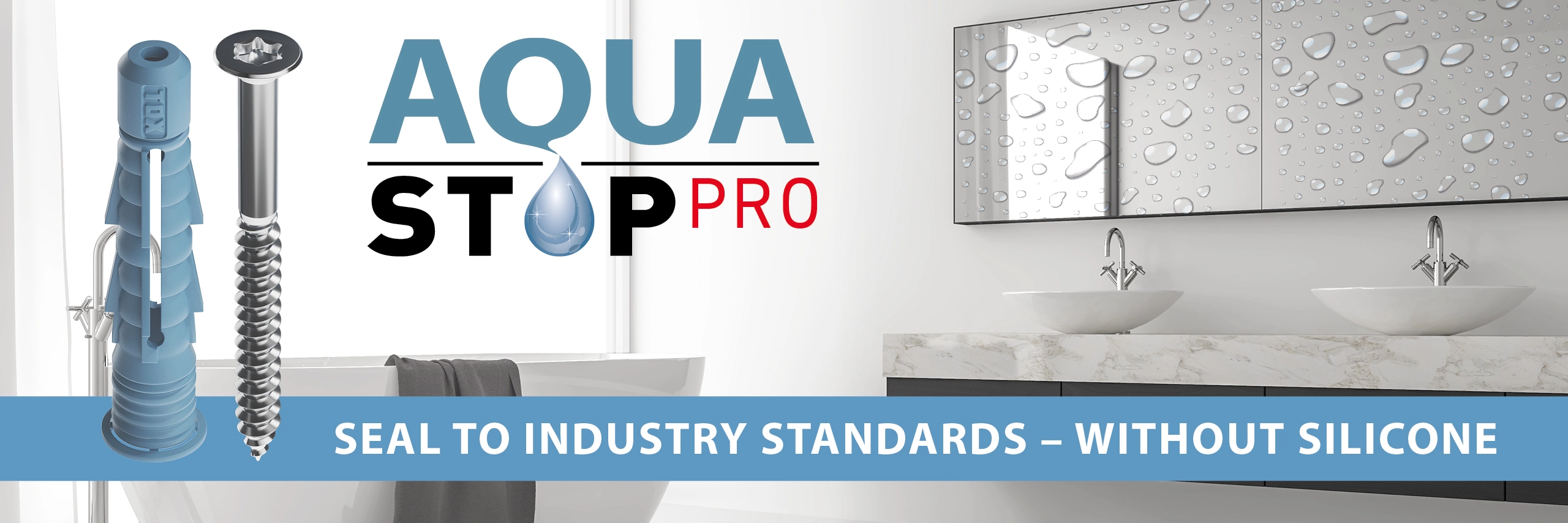
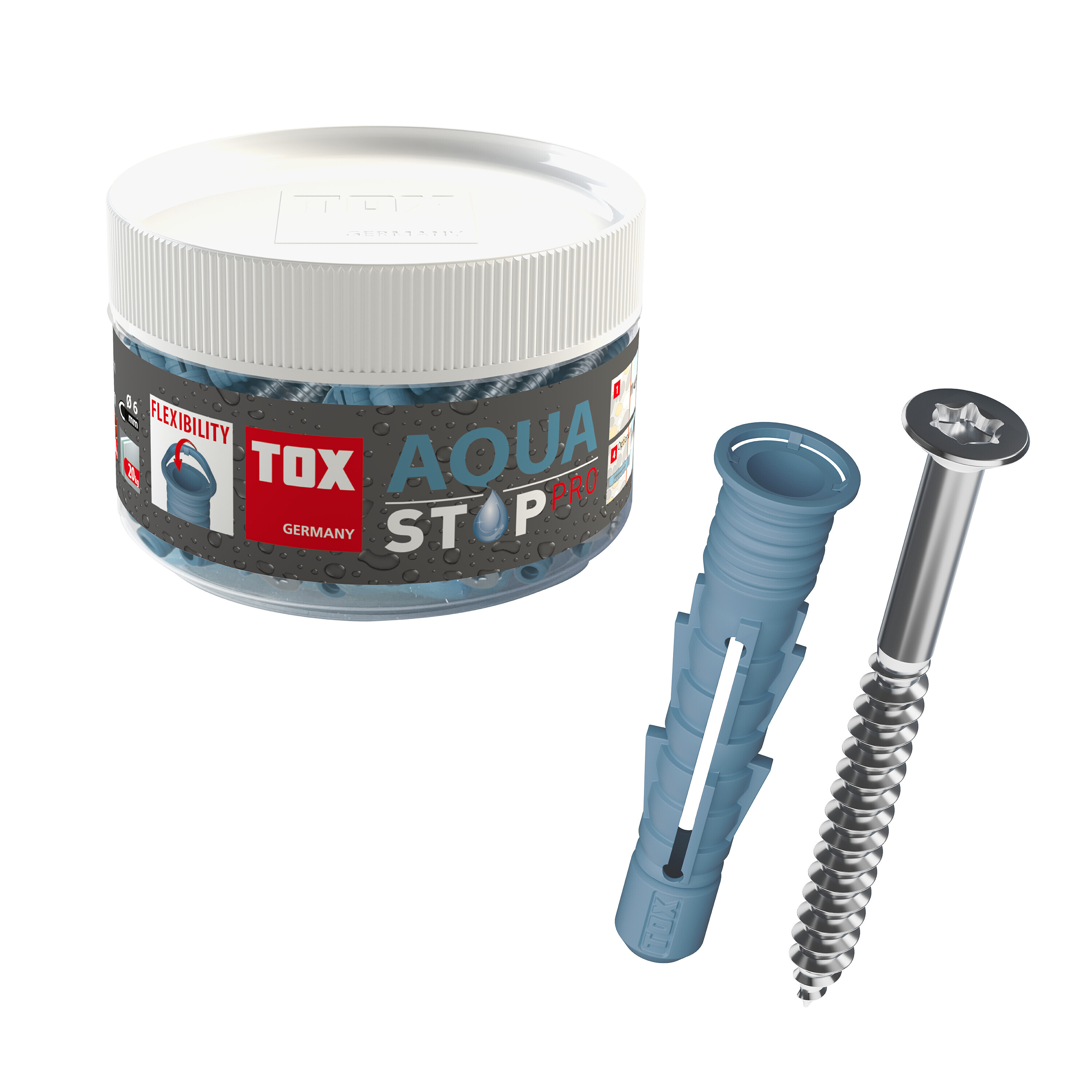
Since October 2025 in Germany (DIN 18534) and May 2025 in Switzerland (SIA 271/1), revised regulations for waterproofing in wet areas have been in force.Both standards place greater emphasis on permanently watertight, subsequent fixings where sealing plugs with proven suitability must be used. The Aqua Stop Pro meets these requirements and offers a reliable, compliant, and silicone-free solution for fixings on tiled walls in bathrooms, showers, and kitchens.
Previously, drill holes in wet areas had to be laboriously resealed with silicone or sealing compound to protect them from moisture – a process that is time-consuming, costly, and does not comply with DIN 18534 or ETAG 022. Silicone always provides only a temporary seal that requires regular renewal. Inadequate sealing can lead to structural damage and mould growth over time.
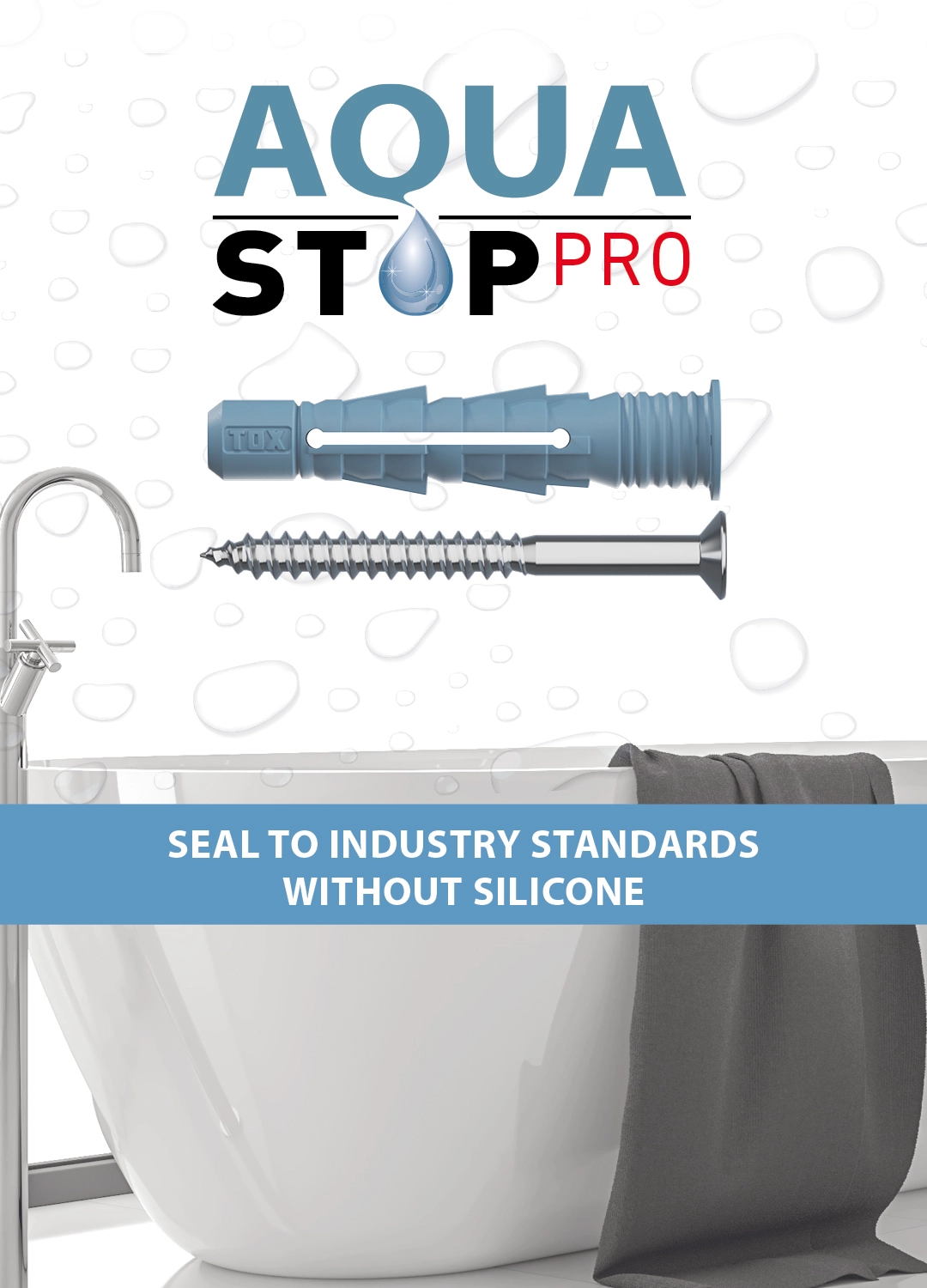
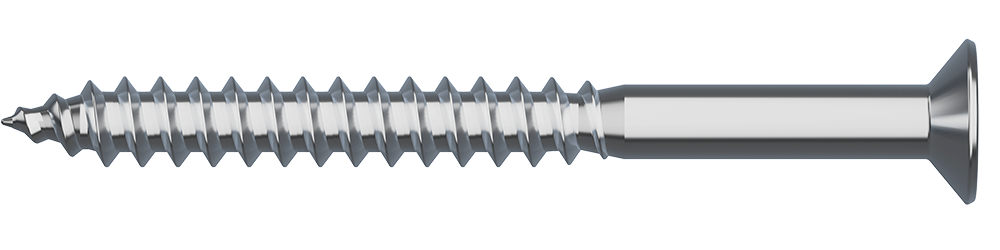
With the Aqua Stop Pro and the matching stainless steel screw, drill holes in wet areas can be reliably sealed – safely, cleanly, and permanently watertight.
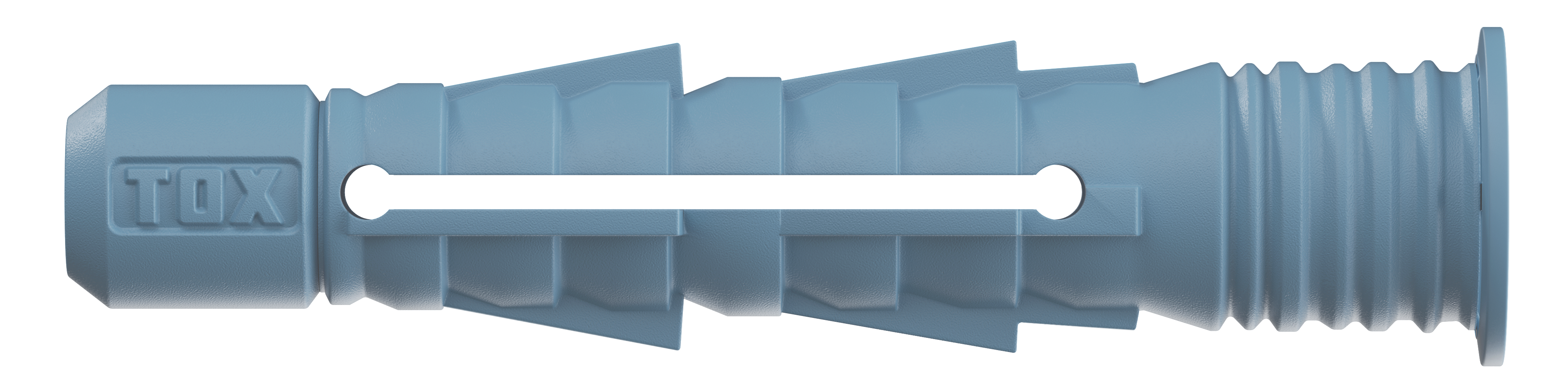
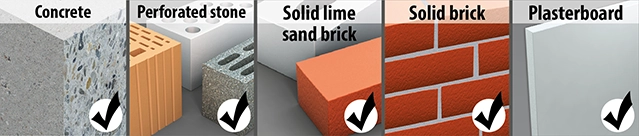
Towel rails
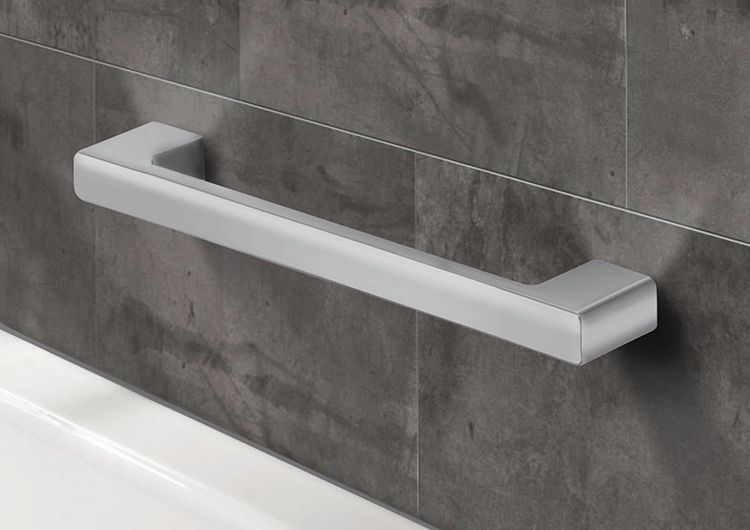
Bath handles
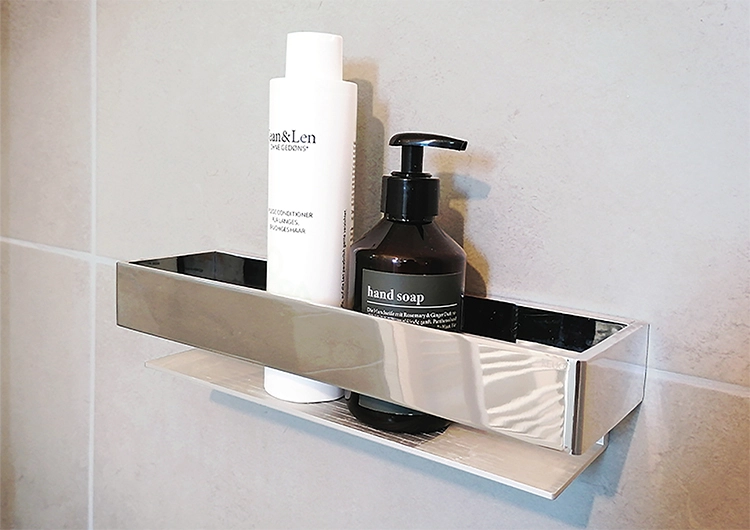
Shower shelves
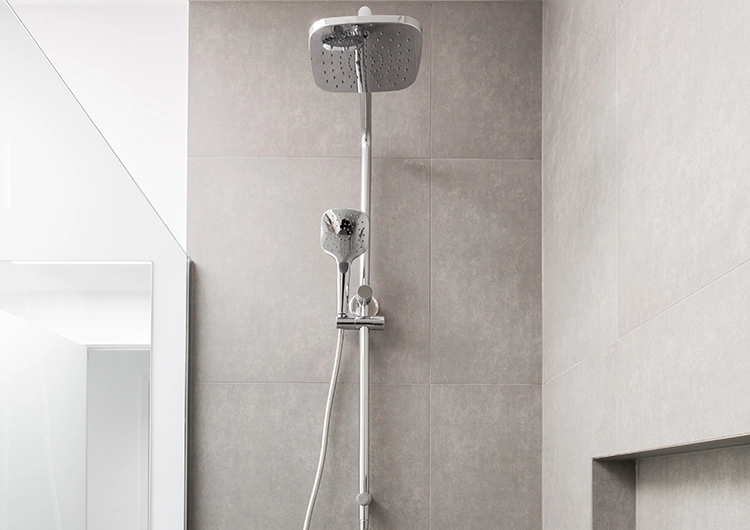
Shower rails
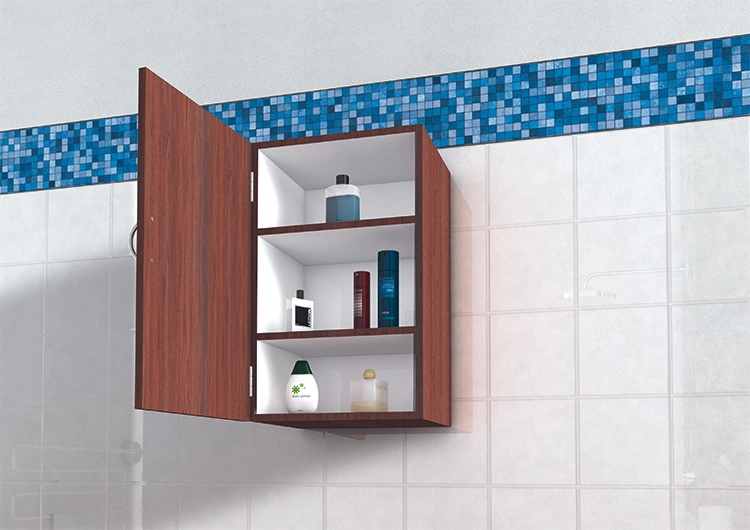
Lightweight wall cabinets
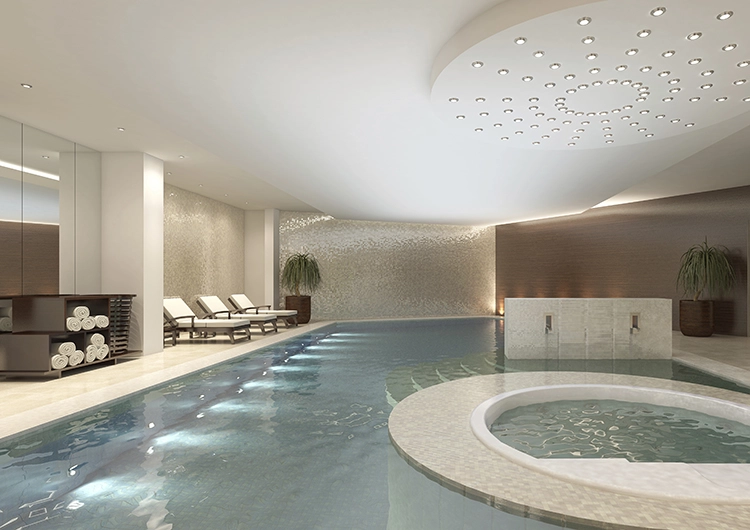
Fixings around swimming pools and shower facilities
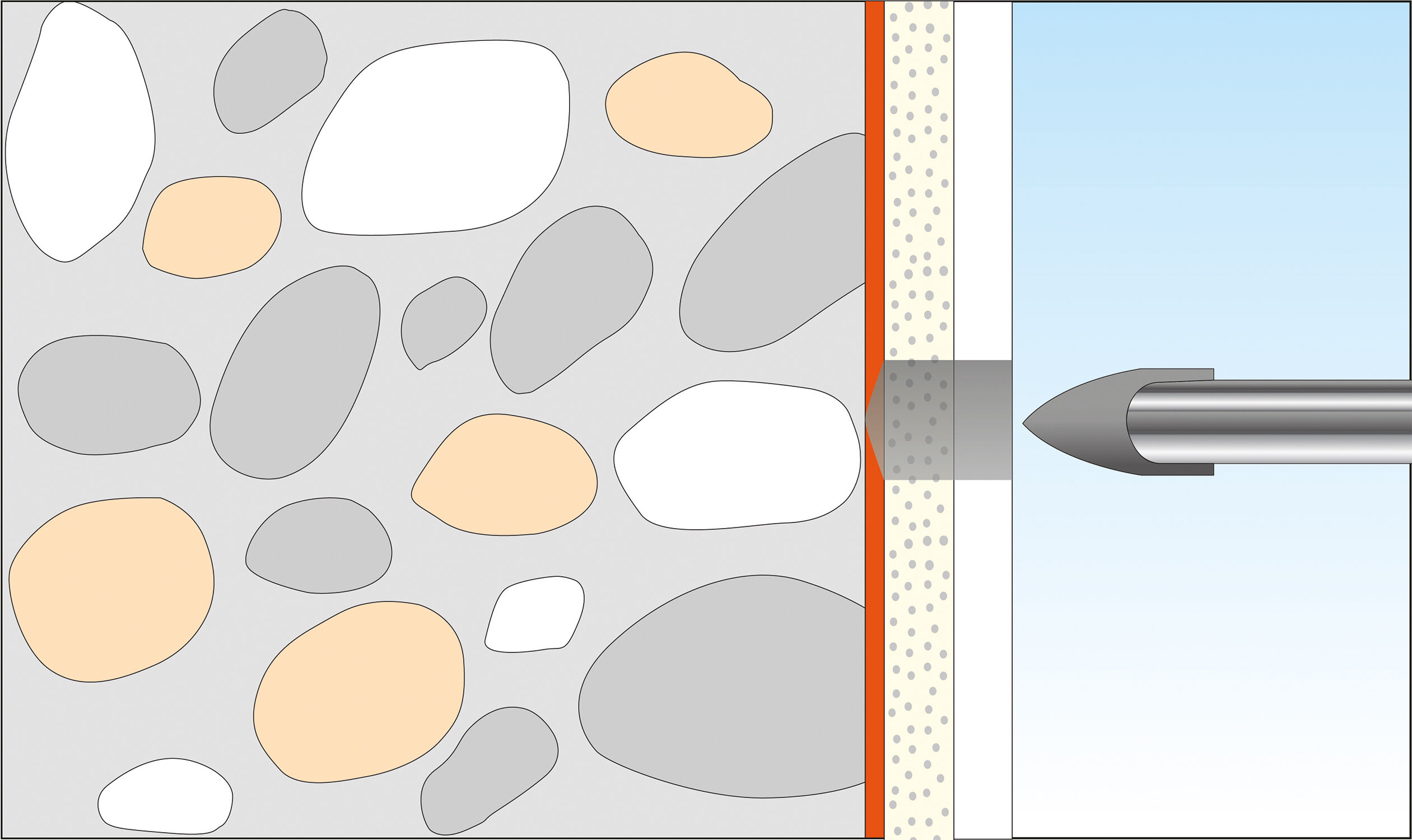
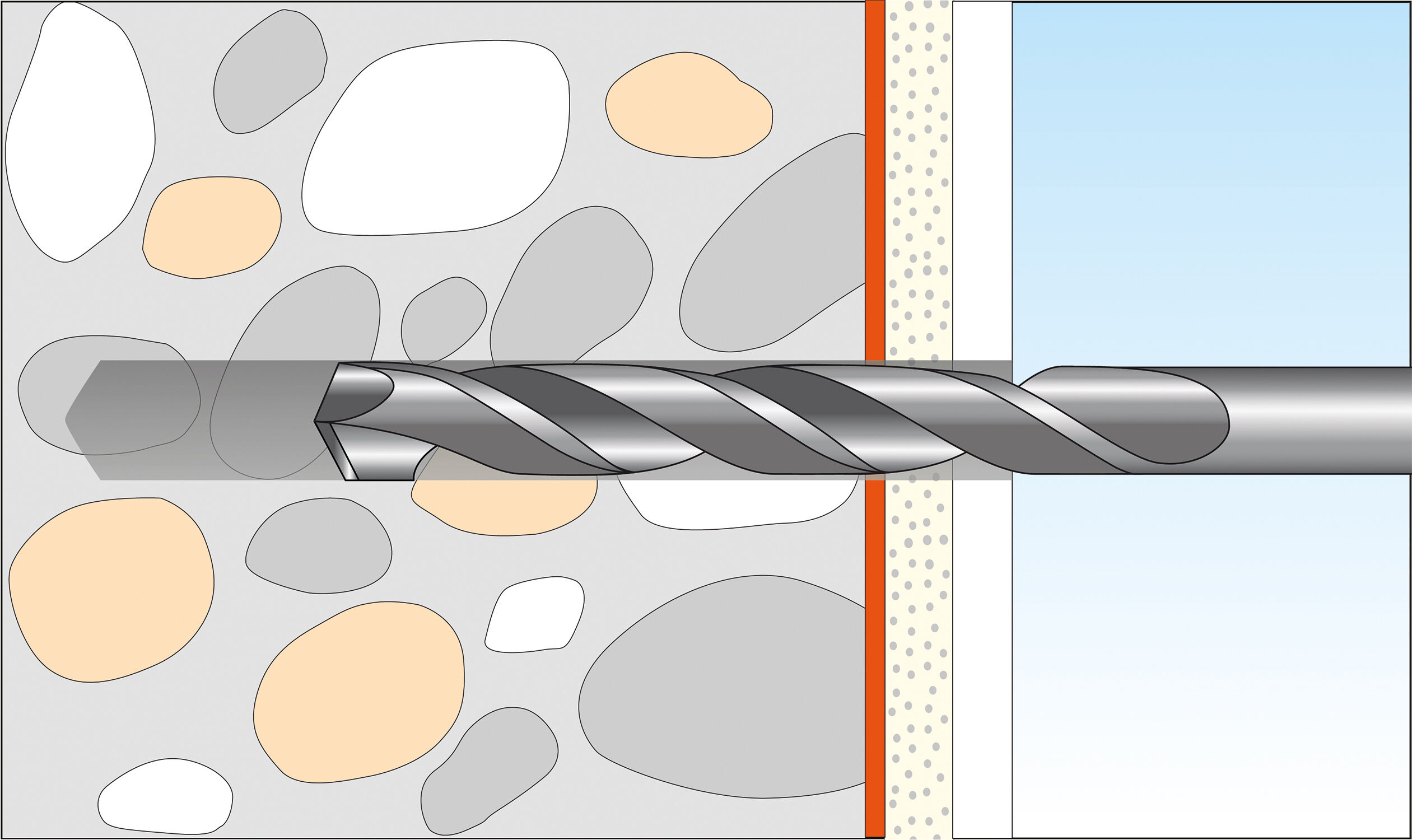
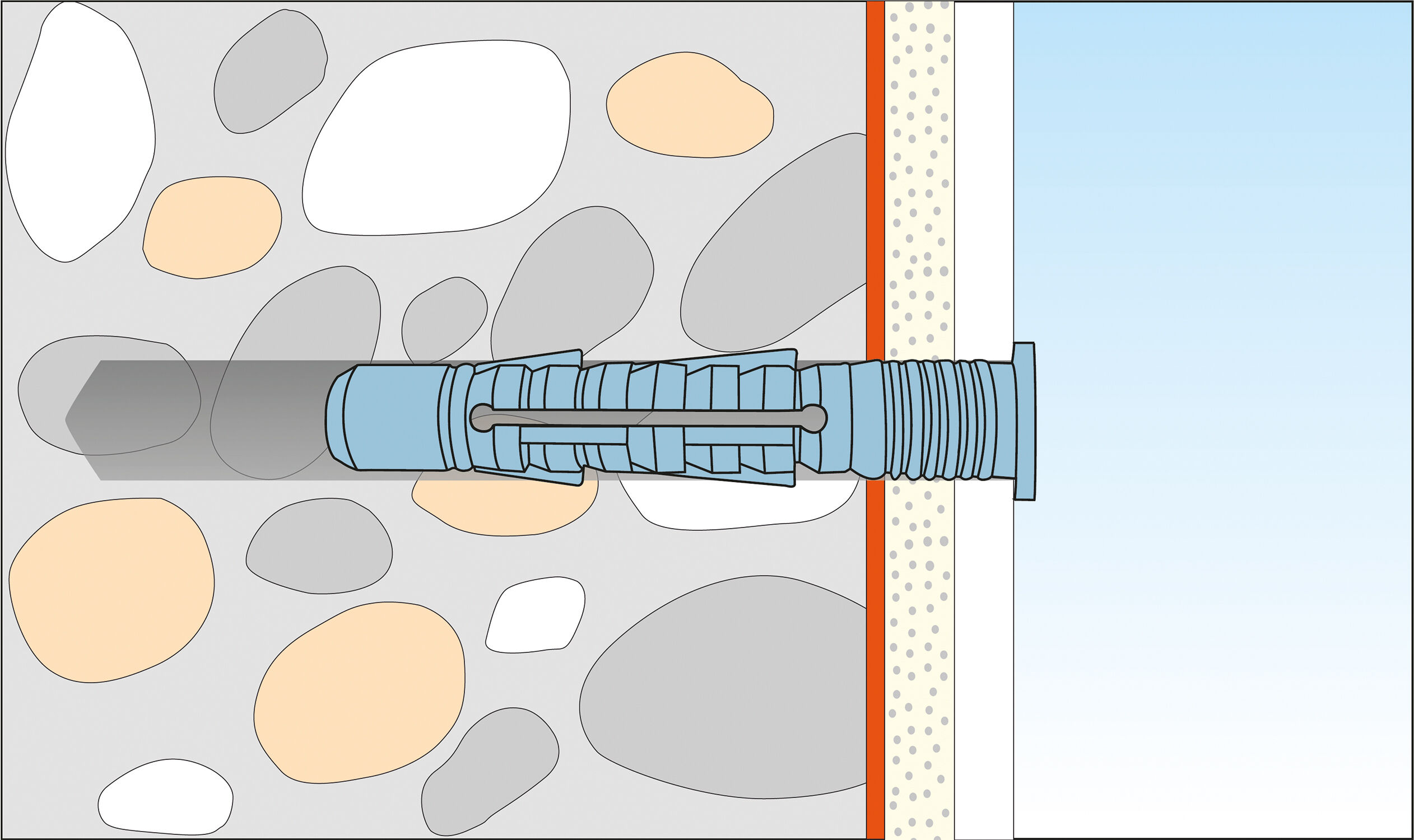
* optionally remove the collar
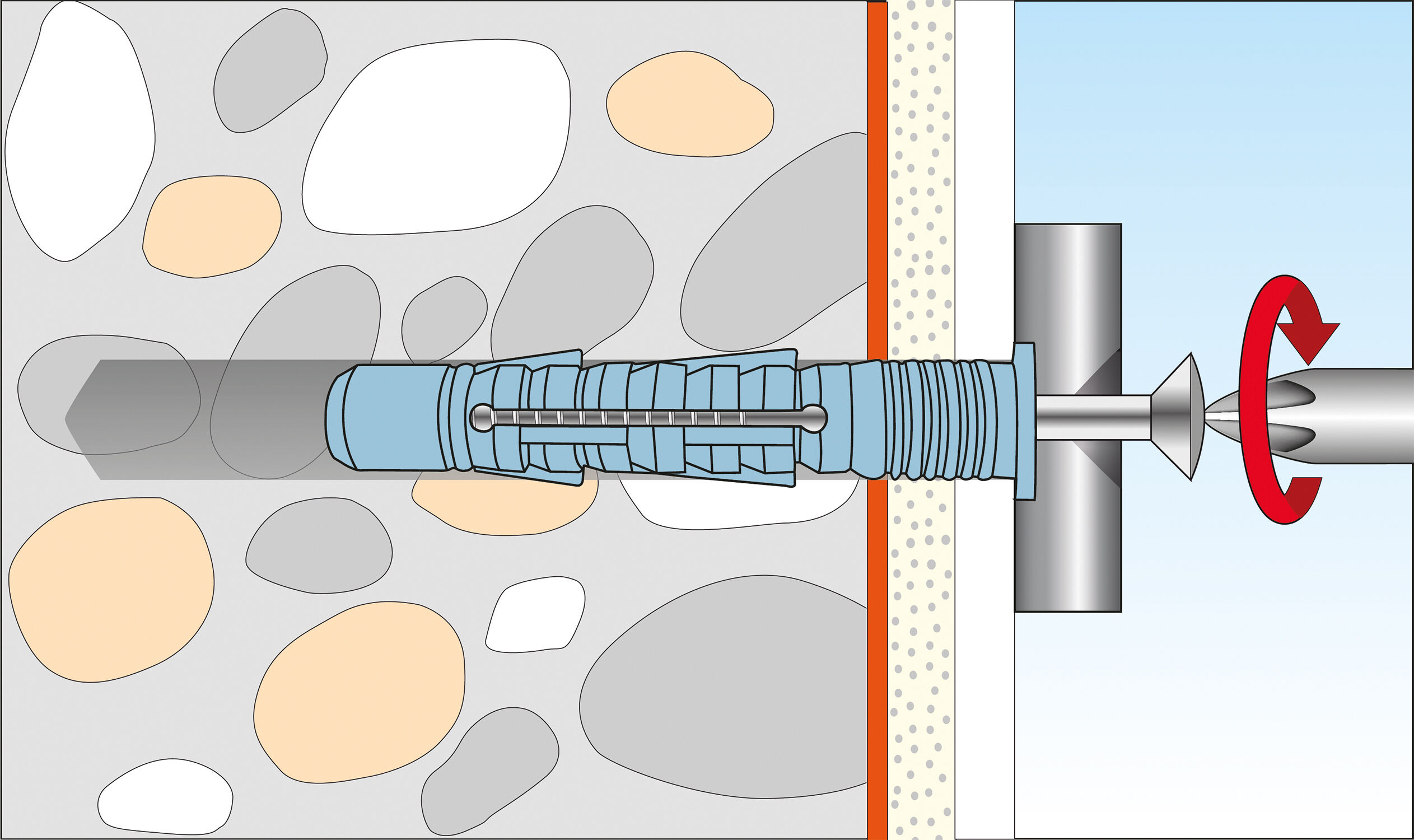
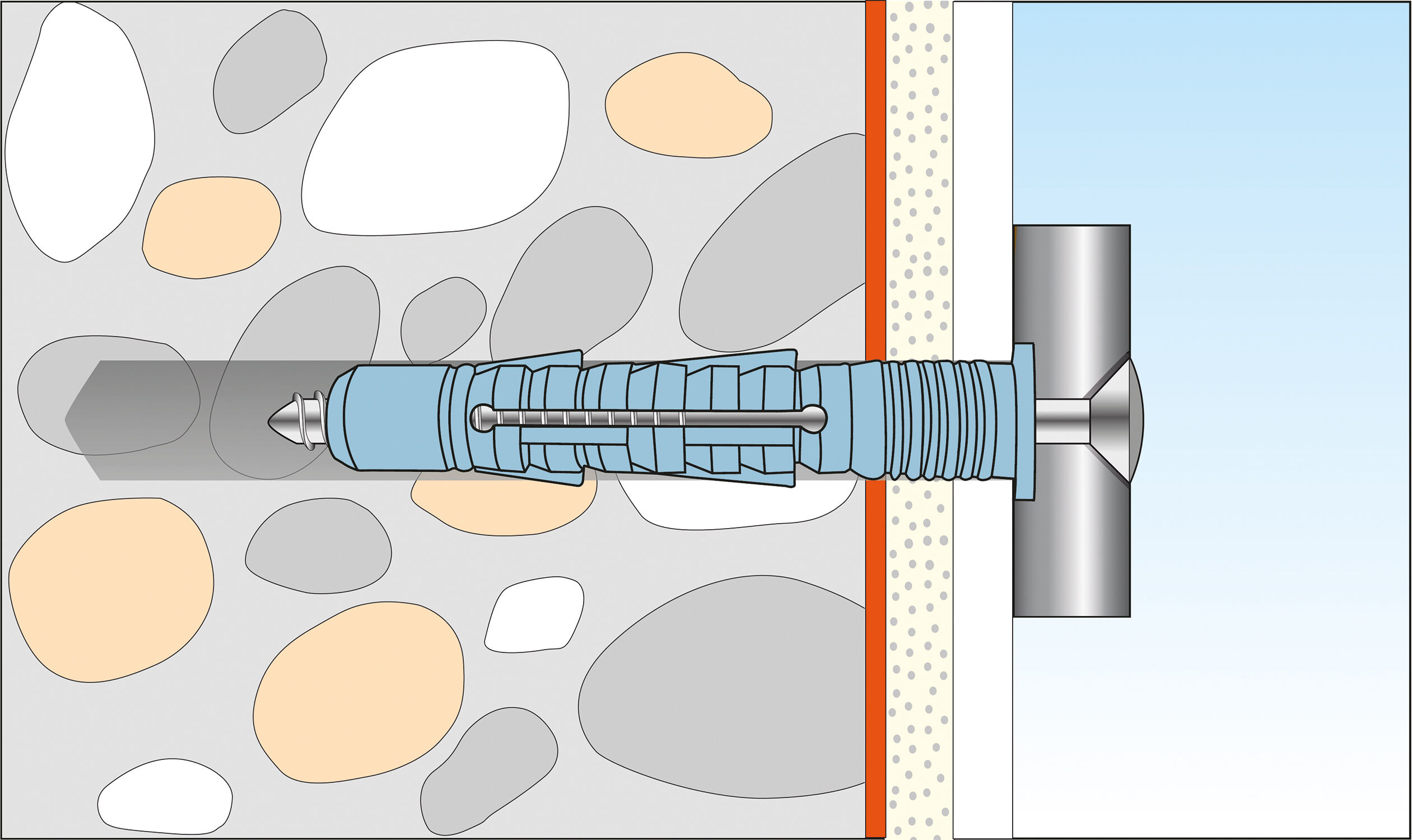
DIN 18534 distinguishes four water exposure classes (W0-I to W3-I) for waterproofing in interior spaces.
They are defined by the type and intensity of water exposure on a surface and serve as the basis for planning and selecting suitable waterproofing measures.
As part of the planning process, each relevant surface is assigned to a corresponding water exposure class depending on how strongly it is exposed to moisture or direct water. For guidance, the standard specifies typical applications: surfaces with low water exposure, such as in guest toilets, fall into class W0-I, while shower areas or commercial kitchens are already classified as W2-I. Swimming pools fall into the highest class, W3-I, as they are subject to constant high water exposure and often chemical stresses.
In principle, the higher the class, the greater the requirements for the waterproofing and for all components that penetrate it:
The classification becomes particularly relevant wherever drilling or fixings are carried out afterwards – for example when installing shower rails, towel rails, or shelves. Such interventions can penetrate the waterproofing layer and must therefore be carried out using approved sealing fixing solutions.